Bitter Gourd Farming: Complete Cultivation Guide
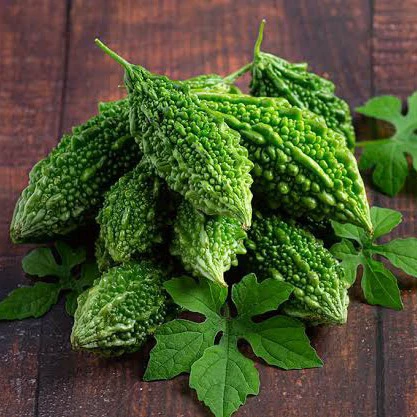
Bitter gourd, commonly known as Karela, is one of the most profitable vegetable crops grown across India. Its high nutritional value, medicinal properties, and consistent market demand make it a preferred choice among farmers. Whether cultivated for local markets or large-scale commercial production, bitter gourd offers excellent returns when grown using quality seeds and proper farming practices.
This comprehensive guide covers everything you need to know about bitter gourd cultivation—from land preparation and sowing to irrigation, pest management, harvesting, and yield improvement.
Why Choose Bitter Gourd Farming?
Bitter gourd is widely consumed in Indian households and is valued for its health benefits. It is rich in vitamins, minerals, antioxidants, and dietary fiber, making it a popular vegetable among health-conscious consumers.
Some advantages of bitter gourd farming include:
- High market demand throughout the year
- Suitable for cultivation in most parts of India
- Multiple harvests from a single crop
- Excellent profit potential
- Suitable for open fields and kitchen gardens
- Short crop duration compared to many vegetables
With proper crop management, farmers can achieve higher yields and better market prices.
Climate Requirements
Bitter gourd grows best in warm and humid climatic conditions. It is a tropical and subtropical vegetable crop that requires plenty of sunlight for healthy vine growth and fruit development.
Ideal Conditions
- Temperature: 24°C to 30°C
- Bright sunlight
- Moderate humidity
- Frost-free conditions
Extreme cold or waterlogging can negatively affect crop growth and reduce production.
Best Soil for Bitter Gourd Cultivation
Bitter gourd performs best in fertile, well-drained soils rich in organic matter.
Suitable Soil Types
- Sandy loam
- Loamy soil
- Well-drained clay loam
Soil pH
The ideal soil pH ranges from 6.0 to 7.5.
Before sowing, farmers should prepare the field thoroughly and incorporate well-decomposed farmyard manure or compost to improve soil fertility.
Land Preparation
Proper land preparation ensures healthy root development and better plant growth.
Recommended steps include:
- Plough the field 2–3 times to loosen the soil.
- Remove weeds and crop residues.
- Add organic manure before the final ploughing.
- Prepare raised beds or ridges for better drainage.
- Install irrigation channels.
Good drainage is essential because bitter gourd is sensitive to waterlogging.
Best Time for Sowing
The sowing season varies depending on the region.
North India
- February to March
- June to July
South India
- January to March
- June to August
Farmers should always choose the sowing season according to local climatic conditions.
Selecting Quality Seeds
The success of any vegetable crop begins with high-quality seeds.
Quality bitter gourd seeds provide:
- Higher germination percentage
- Uniform plant growth
- Better disease tolerance
- Healthy vine development
- Higher fruit production
- Improved marketable yield
Using premium hybrid seeds helps farmers achieve better productivity and profitability.
Seed Treatment
Seed treatment helps protect young seedlings from soil-borne diseases and improves germination.
Before sowing:
- Select healthy seeds.
- Soak seeds in clean water for 12–24 hours to improve germination.
- Treat seeds using recommended fungicides or bio-agents if required.
Healthy seedlings establish faster and produce stronger plants.
Sowing Method
Bitter gourd is generally grown by direct sowing.
Recommended Spacing
- Row to row: 2.0–2.5 meters
- Plant to plant: 45–60 cm
Sow 2–3 seeds per pit and retain the healthiest seedling after germination.
Proper spacing improves sunlight penetration, air circulation, and fruit quality.
Irrigation Management
Regular irrigation is essential, especially during flowering and fruit development.
Irrigation Tips
- Water immediately after sowing.
- Irrigate every 5–7 days during summer.
- Reduce irrigation during rainy periods.
- Avoid waterlogging.
- Drip irrigation helps conserve water and improve yield.
Proper moisture management encourages continuous flowering and fruiting.
Nutrient Management
Balanced nutrition plays a vital role in maximizing bitter gourd yield.
Apply:
- Organic manure before sowing.
- Nitrogen for vegetative growth.
- Phosphorus for root development.
- Potassium for fruit quality and disease resistance.
Farmers should also conduct soil testing to determine precise fertilizer requirements.
Weed Management
Weeds compete with crops for nutrients, sunlight, and moisture.
Effective weed control includes:
- Manual weeding
- Mulching
- Timely intercultural operations
Keeping the field weed-free during the early growth stage significantly improves crop performance.
Training and Trellising
Bitter gourd vines grow vigorously and require proper support.
Using a trellis system offers several advantages:
- Better sunlight exposure
- Improved air circulation
- Cleaner fruits
- Reduced disease incidence
- Easier harvesting
- Higher marketable yield
Most commercial growers use bamboo or wire trellis systems for better production.
Common Pests in Bitter Gourd
Several pests can reduce crop productivity if not managed properly.
Fruit Fly
Symptoms:
- Damaged fruits
- Premature fruit drop
Management:
- Field sanitation
- Fruit trapping
- Timely pest control measures
Aphids
Symptoms:
- Curled leaves
- Weak plant growth
Management:
- Regular crop monitoring
- Recommended insecticide application when necessary
Common Diseases
Powdery Mildew
Symptoms:
- White powdery patches on leaves
- Reduced photosynthesis
Management:
- Improve air circulation.
- Avoid overcrowding.
- Apply recommended fungicides when necessary.
Downy Mildew
Symptoms:
- Yellow leaf spots
- Leaf drying
Proper drainage and preventive crop care help reduce disease incidence.
Flowering and Fruit Development
Bitter gourd plants begin flowering within 35–45 days after sowing.
Proper irrigation and balanced nutrition during this stage improve:
- Fruit set
- Fruit size
- Fruit quality
- Overall yield
Avoid moisture stress during flowering for better productivity.
Harvesting
Bitter gourd fruits are harvested when they are tender, green, and fully developed.
Harvesting generally begins 55–70 days after sowing, depending on the variety.
Harvest every 2–3 days to encourage continuous fruit production.
Delayed harvesting results in overripe fruits with reduced market value.
Expected Yield
Yield depends on:
- Seed quality
- Soil fertility
- Irrigation
- Nutrient management
- Pest control
- Climatic conditions
Under proper management practices, hybrid bitter gourd varieties can produce excellent commercial yields with multiple harvests throughout the season.
Post-Harvest Management
After harvesting:
- Sort fruits based on quality.
- Remove damaged fruits.
- Pack carefully in ventilated crates.
- Transport quickly to maintain freshness.
Proper handling improves shelf life and market prices.
Tips to Increase Bitter Gourd Yield
For maximum productivity, follow these best practices:
- Use certified high-quality hybrid seeds.
- Prepare fertile, well-drained soil.
- Maintain recommended plant spacing.
- Install trellis support.
- Irrigate regularly without overwatering.
- Apply balanced fertilizers.
- Control weeds effectively.
- Monitor pests and diseases frequently.
- Harvest fruits regularly.
These simple practices can significantly improve both yield and fruit quality.
Common Mistakes Farmers Should Avoid
Many farmers unknowingly reduce production by making avoidable mistakes.
Avoid:
- Poor-quality seeds
- Waterlogging
- Delayed sowing
- Improper spacing
- Excess nitrogen application
- Ignoring pest infestations
- Late harvesting
Timely crop management is the key to successful bitter gourd farming.
Why Quality Seeds Matter
High-quality seeds form the foundation of a productive crop. Premium hybrid seeds offer:
- Better germination
- Uniform growth
- Strong vines
- Improved disease tolerance
- Higher fruit production
- Better market acceptance
Choosing reliable seeds helps farmers achieve consistent and profitable harvests.
Conclusion
Bitter gourd farming is a profitable venture for farmers looking to grow a high-demand vegetable crop with excellent market potential. Success depends on selecting quality seeds, preparing the land properly, maintaining balanced nutrition, managing irrigation efficiently, and protecting the crop from pests and diseases.
By following the cultivation practices outlined in this guide, farmers can improve productivity, produce high-quality fruits, and maximize their profits.
At Rangamati Seeds, we are committed to providing premium-quality vegetable seeds that help farmers achieve healthy crops, better yields, and long-term farming success.
Read more stories
 Rangamati Seeds
30 Jun 2026
Rangamati Seeds
30 Jun 2026
Rainy Season Farming Guide | Challenges & Solutions | Rangamati Seeds
Rainy Season Farming: Challenges & Solutions
The rainy season pl...
View Post
 Rangamati Seeds
30 Jun 2026
Rangamati Seeds
30 Jun 2026
Complete Guide to Vegetable Seed Selection | Rangamati Seeds
Complete Guide to Vegetable Seed Selection
The success of every vege...
View Post
 Rangamati Seeds
30 Jun 2026
Rangamati Seeds
30 Jun 2026
Seed Treatment Before Sowing | Benefits & Methods | Rangamati Seeds
Seed Treatment Before Sowing – Why It Is Important
Every succe...
View Post
 Trusted By 10,000+ Farmers Across India