Complete Guide to Vegetable Seed Selection
The success of every vegetable crop begins with one important decision—selecting the right seeds. Whether you are a commercial farmer aiming for maximum productivity or a home gardener growing fresh vegetables, the quality and type of seeds you choose directly affect crop performance, yield, and profitability.
High-quality seeds provide better germination, stronger plant growth, improved disease resistance, and higher marketable yields. On the other hand, poor-quality or unsuitable seeds often result in uneven germination, weak plants, and lower production.
This comprehensive guide will help you understand the essential factors to consider when selecting vegetable seeds, ensuring healthier crops and better farming outcomes.
Why Vegetable Seed Selection Is Important
Seeds are the foundation of every successful harvest. Even with fertile soil, proper irrigation, and balanced fertilization, poor-quality seeds can limit crop performance.
Choosing the right vegetable seeds offers several advantages:
- Higher germination percentage
- Uniform plant growth
- Better resistance to pests and diseases
- Improved fruit quality
- Increased productivity
- Better market value
- Higher profitability
Selecting premium-quality seeds is an investment that pays off throughout the growing season.
Understand Your Farming Objectives
Before purchasing seeds, identify your farming goals.
Ask yourself:
- Are you farming for commercial production?
- Are you growing vegetables for home consumption?
- Do you want early harvesting?
- Is your priority higher yield or premium quality?
- Which vegetables have strong demand in your local market?
Your objectives will help determine the most suitable seed variety.
Choose Seeds According to Climate
Climate plays a significant role in vegetable production.
Different vegetables thrive under different environmental conditions.
For example:
- Tomatoes and capsicum prefer moderate temperatures.
- Bitter gourd and bottle gourd perform well during warm seasons.
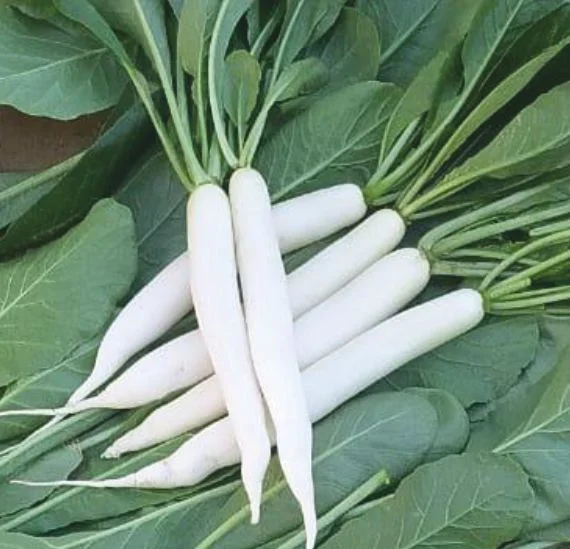
- Carrots and radishes grow best in cooler weather.
- Okra performs well in tropical climates.
Always select varieties recommended for your local region.
Select the Right Variety
Most vegetables are available in multiple varieties.
When selecting a variety, consider:
Yield Potential
Choose varieties known for consistent and high production.
Maturity Period
Early-maturing varieties provide quicker returns and often better market prices.
Disease Resistance
Disease-resistant varieties reduce crop losses and lower pesticide costs.
Market Preference
Grow vegetables that are popular in your local wholesale and retail markets.
Hybrid Seeds vs Open-Pollinated Seeds
Understanding the difference between hybrid and open-pollinated seeds helps farmers make informed decisions.
Hybrid Seeds
Hybrid seeds are developed by crossing carefully selected parent plants.
Advantages include:
- Higher yield
- Better fruit quality
- Uniform growth
- Improved disease resistance
- Better adaptability
Hybrid varieties are widely preferred for commercial vegetable farming.
Open-Pollinated Seeds
Open-pollinated varieties naturally reproduce similar plants from saved seeds.
Benefits include:
- Lower seed cost
- Seed-saving opportunities
- Suitable for traditional farming
- Ideal for home gardens
Choose the option that best matches your farming requirements.
Check Seed Quality
Always inspect seed quality before purchasing.
Good vegetable seeds should be:
- Clean
- Uniform in size
- Free from physical damage
- Free from weed seeds
- Properly processed
- High in germination percentage
Avoid purchasing seeds with damaged packaging or unclear labeling.
Buy Seeds from Trusted Brands
Reliable seed companies invest in research, quality testing, and advanced processing techniques.
Buying from a trusted brand ensures:
- Authentic varieties
- Better germination
- Consistent performance
- Proper packaging
- Reliable customer support
Always purchase seeds from authorized dealers or reputable suppliers.
Check Germination Percentage
Seed germination is one of the most important quality indicators.
Higher germination rates lead to:
- Uniform crop establishment
- Reduced seed wastage
- Healthy plant population
- Better productivity
Quality seed packets often provide germination information.
Consider Disease Resistance
Disease-resistant varieties help reduce crop losses and improve profitability.
Look for seeds developed to resist common vegetable diseases such as:
- Wilt
- Powdery mildew
- Downy mildew
- Mosaic virus
- Leaf spot
Healthy plants require fewer pesticide applications and produce better-quality vegetables.
Match Seeds with Soil Type
Different vegetables perform better in different soil conditions.
Examples include:
- Carrot – Sandy loam soil
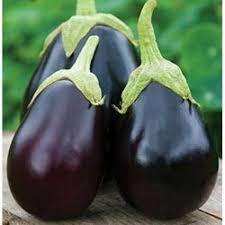
- Brinjal – Fertile loamy soil
- Bottle gourd – Well-drained loam
- Beans – Organic-rich soil
Testing soil before sowing helps ensure better crop performance.
Understand the Sowing Season
Every vegetable has an ideal planting season.
Planting at the right time ensures:
- Better germination
- Healthy growth
- Reduced pest attacks
- Higher flowering
- Better fruit set
Always follow regional sowing recommendations.
Importance of Proper Seed Storage
Even premium seeds lose quality if stored incorrectly.
Store seeds:
- In cool and dry places
- Away from direct sunlight
- In moisture-free conditions
- In airtight containers when appropriate
Proper storage helps maintain seed viability until sowing.
Tips for Selecting the Best Vegetable Seeds
To maximize crop success:
- Buy certified seeds.
- Choose varieties suitable for your climate.
- Check packaging and expiry information.
- Select disease-resistant varieties.
- Purchase from trusted seed companies.
- Store seeds properly.
- Follow recommended sowing times.
These simple steps significantly improve crop establishment and productivity.
Common Mistakes to Avoid
Avoid these common errors:
- Buying cheap, unverified seeds
- Ignoring climate suitability
- Choosing varieties without market demand
- Improper seed storage
- Delayed sowing
- Ignoring germination quality
Making informed decisions during seed selection reduces farming risks.
Why Quality Seeds Matter
Premium-quality vegetable seeds provide:
- Better germination
- Healthy seedlings
- Uniform crop growth
- Higher disease resistance
- Better vegetable quality
- Increased yield
- Improved profitability
Healthy crops always begin with quality seeds.
Conclusion
Selecting the right vegetable seeds is one of the most important decisions a farmer or gardener can make. High-quality seeds suited to your climate, soil, and farming objectives provide the foundation for healthy plants, higher yields, and better profits.
By understanding seed quality, choosing suitable varieties, and purchasing from trusted suppliers, you can minimize risks and maximize productivity.
At Rangamati Seeds, we are committed to providing premium-quality vegetable seeds that help farmers and gardeners achieve healthier crops, reliable germination, and successful harvests season after season.
Read more stories
 Rangamati Seeds
30 Jun 2026
Rangamati Seeds
30 Jun 2026
Rainy Season Farming Guide | Challenges & Solutions | Rangamati Seeds
Rainy Season Farming: Challenges & Solutions
The rainy season pl...
View Post
 Rangamati Seeds
30 Jun 2026
Rangamati Seeds
30 Jun 2026
Complete Guide to Vegetable Seed Selection | Rangamati Seeds
Complete Guide to Vegetable Seed Selection
The success of every vege...
View Post
 Rangamati Seeds
30 Jun 2026
Rangamati Seeds
30 Jun 2026
Seed Treatment Before Sowing | Benefits & Methods | Rangamati Seeds
Seed Treatment Before Sowing – Why It Is Important
Every succe...
View Post
 Trusted By 10,000+ Farmers Across India