Seed Treatment Before Sowing – Why It Is Important
Every successful crop begins with healthy seeds. However, even the highest-quality seeds may fail to deliver their full potential if they are sown without proper preparation. Seed treatment is one of the most effective and economical farming practices that helps protect seeds from diseases, pests, and unfavorable soil conditions during the early stages of crop growth.
Whether you are a commercial farmer or a home gardener, treating seeds before sowing can significantly improve germination, promote healthy seedling development, and increase overall crop productivity.
In this guide, we will explain why seed treatment is important, its benefits, different methods, and the best practices every farmer should follow before planting vegetable seeds.
What Is Seed Treatment?
Seed treatment is the process of applying biological agents, fungicides, insecticides, or natural materials to seeds before sowing. The purpose is to protect seeds from soil-borne diseases, insect attacks, and environmental stress during germination and early plant growth.
The treatment forms a protective layer around the seed, allowing it to establish quickly and develop into a healthy plant.
Why Is Seed Treatment Important?
The first few days after sowing are the most critical for any crop. During this stage, seeds are vulnerable to fungal infections, insects, poor soil conditions, and moisture fluctuations.
Seed treatment helps by:
- Protecting seeds from diseases
- Improving germination percentage
- Promoting uniform crop establishment
- Enhancing seedling vigor
- Reducing early crop losses
- Supporting stronger root development
- Increasing overall yield potential
By protecting the seed during its earliest growth stages, farmers can reduce risks and improve crop performance.
Benefits of Seed Treatment
1. Better Germination
Healthy, treated seeds germinate more uniformly and establish quickly. Better germination leads to an even plant population and reduces the need for re-sowing.
2. Protection Against Soil-Borne Diseases
Many fungal diseases attack seeds immediately after sowing. Seed treatment minimizes the risk of seed rot and damping-off, ensuring healthier seedlings.
3. Stronger Root Development
Protected seedlings develop stronger roots, enabling them to absorb nutrients and water more efficiently.
4. Improved Plant Health
Healthy seedlings grow vigorously and are more capable of tolerating environmental stress.
5. Reduced Pest Damage
Certain seed treatments help protect young plants from early insect attacks, reducing crop losses.
6. Higher Crop Yield
Healthy crop establishment results in improved flowering, fruit development, and ultimately higher production.
Types of Seed Treatment
Different seed treatment methods are used depending on the crop and local farming conditions.
Chemical Seed Treatment
Fungicides and insecticides are applied to protect seeds from diseases and insect pests during germination.
Biological Seed Treatment
Beneficial microorganisms are used to improve root growth and suppress harmful pathogens naturally.
Organic Seed Treatment
Natural materials such as neem-based products, cow urine solutions, or bio-formulations are commonly used by organic farmers to protect seeds without synthetic chemicals.
When Should Seeds Be Treated?
Seed treatment should be carried out immediately before sowing. This ensures maximum protection during the critical germination stage.
Avoid treating seeds too far in advance unless recommended by the seed manufacturer.
General Steps for Seed Treatment
Although treatment methods vary, the basic process includes:
- Select healthy, clean seeds.
- Use the recommended treatment material.
- Coat the seeds evenly.
- Allow treated seeds to dry in the shade.
- Sow them as soon as possible.
Always follow the recommended dosage and handling instructions.
Common Mistakes to Avoid
Many farmers unknowingly reduce the effectiveness of seed treatment.
Avoid these mistakes:
- Using excessive treatment chemicals
- Treating damaged or poor-quality seeds
- Mixing incompatible products
- Drying seeds under direct sunlight
- Delaying sowing after treatment
- Ignoring safety precautions
Following proper treatment procedures ensures the best results.
Seed Treatment for Vegetable Crops
Most vegetable crops benefit from seed treatment before sowing.
These include:
- Tomato
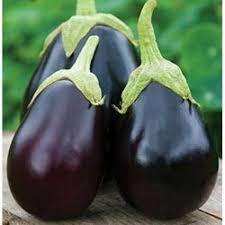
- Brinjal
- Chilli
- Capsicum
- Okra (Bhindi)
- Bitter Gourd
- Bottle Gourd
- Ridge Gourd
- Sponge Gourd
- Cucumber
- Carrot
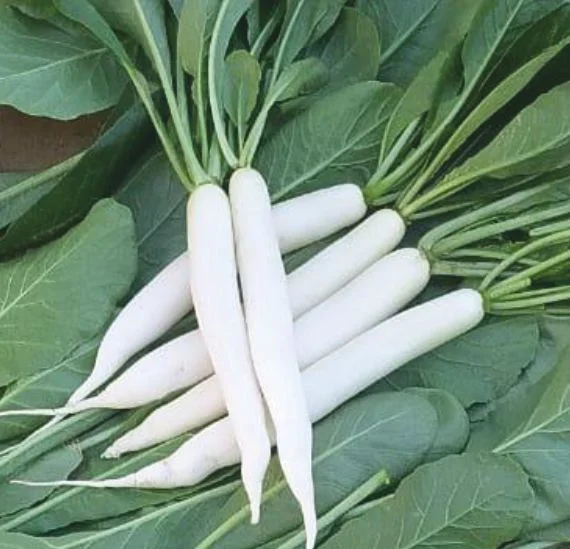
- Radish
- Beans
- Cowpea
Healthy seedlings form the foundation of a productive vegetable crop.
Additional Tips for Better Germination
Along with seed treatment, farmers should also:
- Use certified, high-quality seeds.
- Prepare fine, well-drained soil.
- Maintain proper soil moisture.
- Sow at the recommended depth.
- Follow the correct sowing season.
- Avoid overwatering during germination.
These practices work together to improve crop establishment and productivity.
Why Quality Seeds Matter
Seed treatment cannot compensate for poor-quality seeds. Always begin with seeds that are:
- High in germination
- Genetically pure
- Disease-free
- Properly processed
- Suitable for local climatic conditions
Combining premium seeds with proper seed treatment delivers the best farming results.
Conclusion
Seed treatment is a simple yet highly effective practice that helps ensure successful crop establishment. By protecting seeds from diseases, pests, and environmental stress, it improves germination, strengthens seedlings, and lays the foundation for a healthy and productive crop.
Whether you are cultivating vegetables on a commercial farm or in a home garden, taking the time to treat seeds before sowing can make a significant difference in crop performance and yield.
At Rangamati Seeds, we believe that every successful harvest begins with quality seeds and the right farming practices. Choosing premium seeds and following proper seed treatment methods can help farmers achieve healthier crops, better yields, and long-term farming success.
Read more stories
 Rangamati Seeds
30 Jun 2026
Rangamati Seeds
30 Jun 2026
Rainy Season Farming Guide | Challenges & Solutions | Rangamati Seeds
Rainy Season Farming: Challenges & Solutions
The rainy season pl...
View Post
 Rangamati Seeds
30 Jun 2026
Rangamati Seeds
30 Jun 2026
Complete Guide to Vegetable Seed Selection | Rangamati Seeds
Complete Guide to Vegetable Seed Selection
The success of every vege...
View Post
 Rangamati Seeds
30 Jun 2026
Rangamati Seeds
30 Jun 2026
Seed Treatment Before Sowing | Benefits & Methods | Rangamati Seeds
Seed Treatment Before Sowing – Why It Is Important
Every succe...
View Post
 Trusted By 10,000+ Farmers Across India