How to Choose the Best Vegetable Seeds for Higher Yield
Every successful vegetable crop begins with one important decision—choosing the right seeds. Whether you are a commercial farmer aiming for maximum production or a home gardener looking for healthy vegetables, selecting high-quality seeds can significantly improve your harvest.
Good seeds don't just produce healthy plants; they also contribute to better germination, stronger disease resistance, uniform crop growth, and higher yields. On the other hand, poor-quality seeds often lead to uneven germination, weak plants, and lower productivity, resulting in wasted time, effort, and investment.
In this guide, you'll learn everything you need to know about choosing the best vegetable seeds for higher yield, along with practical tips that can help you achieve a healthy and productive crop.
Why Seed Quality Matters
Seeds are the foundation of every successful farming season. Even if you prepare the soil well, apply the right fertilizers, and provide proper irrigation, poor-quality seeds can limit your crop's performance.
High-quality seeds offer several advantages:
- Better germination percentage
- Uniform plant growth
- Stronger root development
- Improved resistance to diseases
- Better adaptability to local weather
- Higher productivity
- Improved vegetable size, color, and quality
Choosing premium-quality seeds is not an expense—it is an investment in better farming results.
Understand Your Local Climate
Different vegetables perform differently depending on climate and weather conditions. Before purchasing seeds, understand the environmental conditions of your region.
Consider factors such as:
- Temperature
- Rainfall
- Humidity
- Sunlight availability
- Growing season
For example:
- Tomatoes and capsicum thrive in moderate temperatures.
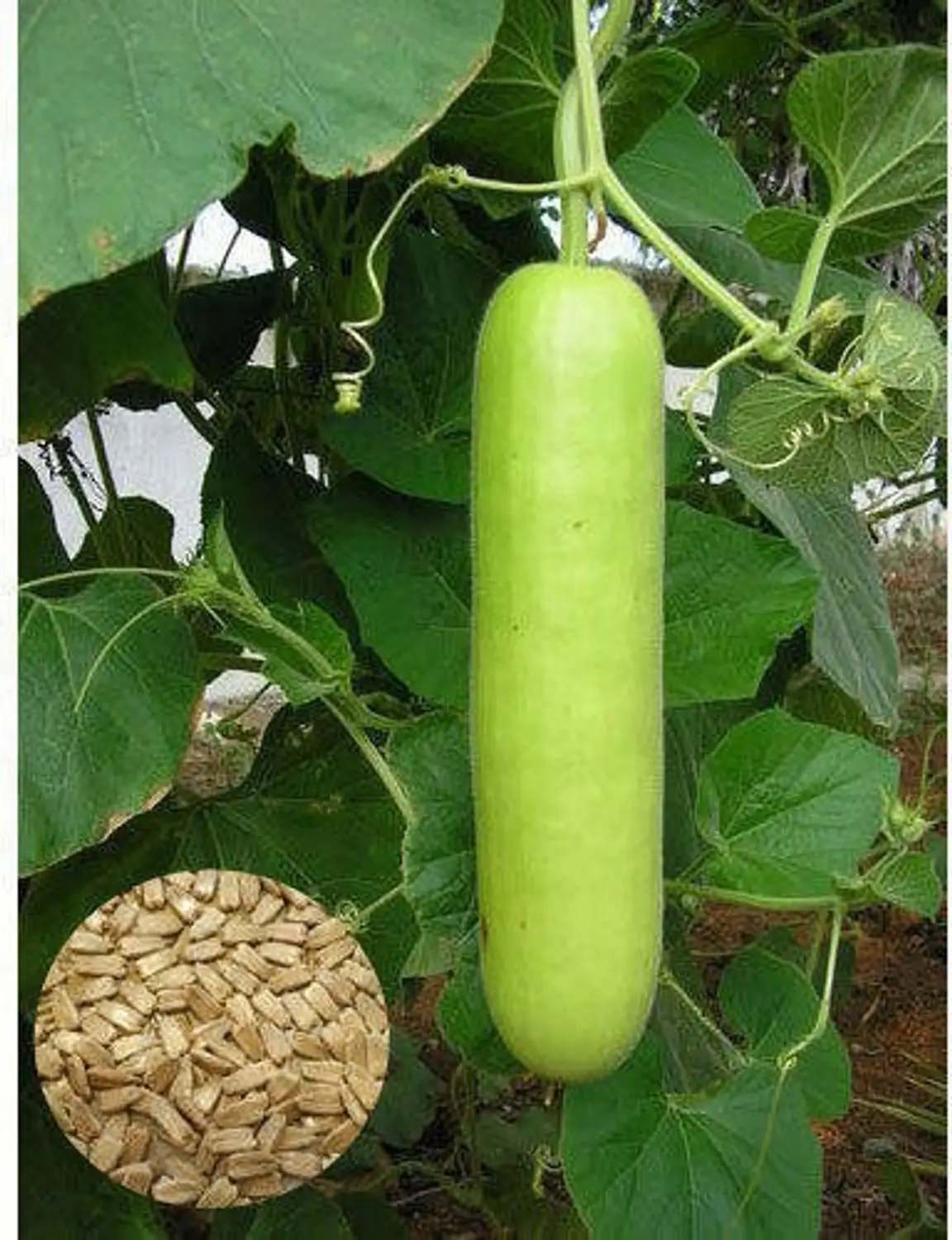
- Bitter gourd and bottle gourd perform well in warmer climates.
- Carrots prefer cooler growing conditions.
- Amaranthus grows well throughout most warm seasons.
Selecting seeds suitable for your local climate increases the chances of better germination and higher production.
Select the Right Variety
Every vegetable comes in multiple varieties, each developed for specific farming needs.
When selecting a variety, consider:
Yield Potential
Choose varieties known for consistent and high production.
Disease Resistance
Disease-resistant seeds reduce crop losses and minimize pesticide use.
Maturity Period
Some crops mature early, while others require longer growing periods.
Early varieties help farmers harvest sooner and often fetch better market prices.
Market Demand
Grow vegetables that have strong local demand to improve profitability.
Hybrid Seeds vs Open Pollinated Seeds
Understanding the difference between hybrid and open-pollinated seeds helps you make better farming decisions.
Hybrid Seeds
Hybrid seeds are developed by crossing two selected parent plants to combine desirable characteristics.
Advantages include:
- Higher yield
- Better uniformity
- Strong disease resistance
- Improved fruit quality
- Better market value
Hybrid seeds are widely preferred by commercial farmers aiming for maximum productivity.
Open Pollinated Seeds
Open-pollinated varieties produce seeds that can be saved for future planting.
Benefits include:
- Lower seed cost
- Suitable for traditional farming
- Good for home gardening
- Stable characteristics across generations
The best choice depends on your farming goals, budget, and production requirements.
Always Check Seed Purity
Seed purity directly affects crop performance.
Before purchasing seeds, ensure they are:
- Clean and free from impurities
- Uniform in size
- Free from broken or damaged seeds
- Properly processed
- Free from weed seeds
Pure seeds improve germination and reduce problems during crop establishment.
Look for High Germination Percentage
One of the most important indicators of seed quality is the germination rate.
Higher germination means:
- Better plant population
- Uniform crop growth
- Reduced seed wastage
- Higher overall productivity
Quality seed suppliers generally provide seeds that meet high germination standards.
Buy Seeds from Trusted Companies
Never compromise when choosing a seed supplier.
A reliable seed company focuses on:
- Quality testing
- Research and development
- Proper seed processing
- Advanced packaging
- Consistent performance
Purchasing seeds from a trusted brand gives farmers greater confidence and reduces farming risks.
Check Packaging Before Buying
Quality packaging protects seeds from moisture, insects, and environmental damage.
Before buying, inspect:
- Proper sealing
- Manufacturing details
- Batch information
- Crop variety
- Storage instructions
Avoid purchasing damaged or poorly packed seed packets.
Consider Disease Resistance
Plant diseases can significantly reduce crop yield.
Modern vegetable varieties are often developed to resist common diseases, helping farmers:
- Reduce crop loss
- Lower pesticide usage
- Improve plant health
- Increase overall productivity
Choosing disease-resistant seeds is especially important in regions prone to fungal and bacterial infections.
Match Seeds with Soil Type
Healthy crops require both quality seeds and suitable soil.
Different vegetables perform better in different soil conditions.
For example:
- Carrots grow well in loose, sandy soil.
- Brinjal prefers fertile, well-drained soil.
- Beans thrive in organic-rich soil.
- Bottle gourd performs well in well-drained loamy soil.
Conducting a soil test before planting helps improve crop planning.
Don't Ignore Seed Storage
Even the best seeds lose quality if stored improperly.
Store seeds in:
- Cool locations
- Dry environments
- Airtight containers
- Areas away from direct sunlight
Proper storage preserves germination and seed vitality until sowing.
Follow the Recommended Sowing Time
Every vegetable has an ideal planting season.
Sowing at the correct time ensures:
- Better germination
- Healthy crop establishment
- Reduced pest attacks
- Improved flowering
- Higher fruit production
Always follow regional sowing recommendations for your chosen crop.
Tips for Achieving Higher Yield
Apart from selecting quality seeds, follow these practices:
- Prepare fertile soil before sowing.
- Use proper spacing between plants.
- Provide balanced nutrition.
- Irrigate regularly without overwatering.
- Monitor pests and diseases frequently.
- Remove weeds at regular intervals.
- Harvest vegetables at the correct stage.
Combining premium seeds with good farming practices leads to consistently better harvests.
Common Mistakes to Avoid
Many farmers unknowingly reduce their yields by making avoidable mistakes.
Avoid these common errors:
- Buying cheap, unverified seeds
- Choosing varieties unsuitable for local climate
- Ignoring seed quality
- Improper seed storage
- Delayed sowing
- Overcrowding plants
- Poor irrigation management
Avoiding these mistakes can greatly improve farming success.
Why Quality Seeds Are Worth the Investment
While premium seeds may cost slightly more, they often provide better returns through:
- Higher yield
- Better vegetable quality
- Lower disease incidence
- Reduced input costs
- Improved market prices
- Greater farming profitability
Investing in quality seeds today can result in a more successful and rewarding harvest tomorrow.
Conclusion
Choosing the best vegetable seeds is the first and most important step toward achieving higher yields. By selecting high-quality seeds suited to your climate, soil, and farming goals, you create a strong foundation for healthy plant growth and better productivity.
Remember, successful farming doesn't begin with fertilizers or irrigation—it begins with the right seed. Combine quality seeds with proper crop management practices, and you'll be well on your way to producing healthier vegetables and maximizing your harvest.
If you're looking for premium vegetable seeds that are carefully selected for quality, performance, and reliable germination, Rangamati Seeds is committed to supporting farmers and gardeners with dependable seed solutions for a successful growing season.
Read more stories
 Rangamati Seeds
30 Jun 2026
Rangamati Seeds
30 Jun 2026
Rainy Season Farming Guide | Challenges & Solutions | Rangamati Seeds
Rainy Season Farming: Challenges & Solutions
The rainy season pl...
View Post
 Rangamati Seeds
30 Jun 2026
Rangamati Seeds
30 Jun 2026
Complete Guide to Vegetable Seed Selection | Rangamati Seeds
Complete Guide to Vegetable Seed Selection
The success of every vege...
View Post
 Rangamati Seeds
30 Jun 2026
Rangamati Seeds
30 Jun 2026
Seed Treatment Before Sowing | Benefits & Methods | Rangamati Seeds
Seed Treatment Before Sowing – Why It Is Important
Every succe...
View Post
 Trusted By 10,000+ Farmers Across India
 (1).jpg)